
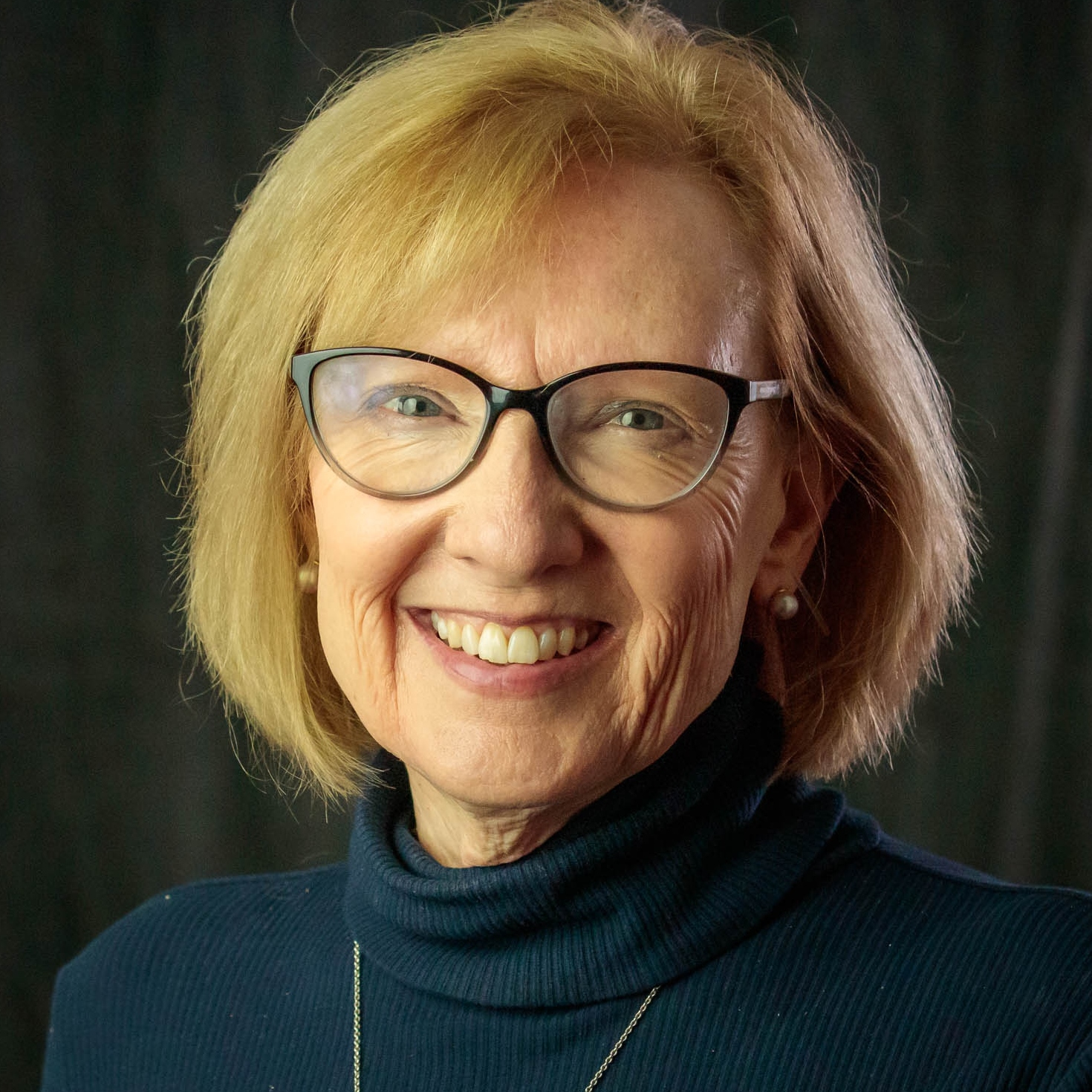
Beverly Anne Wagner
Connect with Beverly
About Beverly
Dr. Wagner’s research focuses on linguistic diversity, international education and practice, and student and veteran mental health and wellbeing. An advocate for adapting and decolonizing education for local communities, overarching themes in Wagner’s writings include linguistic justice, and culturally relevant pedagogy. Dr. Wagner is a member of the Council on Social Work Education Global Learning and Practice Commission, Affiliate member of the Social Work and Mental Health Research group for the United Arab Emirates HCT Faculty of Health Sciences. Her writings and research also include university mental health policies and veteran mental health.
Contributions
In the News
Publications
Explores how the words and ways people are taught to talk in counseling and social work can reflect Western, colonial assumptions, and how that can make it harder for students—especially those from diverse linguistic and cultural backgrounds—to feel confident and effective in practice. Finds that relying mainly on English and traditional Western terms can undermine students’ confidence and cultural relevance, and suggests that including more international languages and culturally grounded communication could improve training and practice in these helping professions.
Describes a program that helps veterans adjust to civilian life by connecting them with community resources, support services, and guidance during and after their military transition. Finds that this kind of navigator approach can help fill service gaps that veterans often face, making it easier for them to access the help they need during a challenging time of change.
Explains how teaching social work in English in places where most students don’t speak English as their first language creates real challenges for learning, and describes practical ways teachers can help students understand and apply social work ideas in ways that fit their own cultures and communities. Highlights specific techniques—like using students’ first languages, culturally responsive teaching, and team teaching—to make English-medium classes more effective for international social work students.
Looks at how teachers used emotional scaffolding—strategies to support students’ feelings and engagement—to help students stay motivated and learn better in online English classes during the COVID‑19 pandemic, and found that students responded positively to these emotional supports and felt that they improved their online learning experience. Highlights how paying attention to students’ emotions can make online language teaching more effective.
Examines how social work is regulated in the United Arab Emirates, describing the country’s current system for licensing and overseeing social workers, and explaining the main challenges and opportunities in making those regulations better suited to the local context. Shows what the UAE is doing now with social work licensure and suggests ways to improve oversight and support for quality care.
Explores how a community collaboration approach called the collective impact model was used to help develop a support program for military veterans, finding that bringing different stakeholders together made it easier to identify gaps in services and create coordinated solutions. Suggests that this teamwork-based model can be a useful way to build effective, community-driven programs that better support veterans.
Looks at how teaching social work in English affects student learning in a place where English isn’t everyone’s first language, finding that both students and teachers struggled with communication gaps that were made harder by cultural differences. Finds the need for better supports in programs where English is the main language of instruction but not the primary language of the participants.
Describes how practical training for social work students is just starting to develop in the United Arab Emirates, highlighting differences and similarities between programs and pointing out both barriers and possibilities for improvement. Finds that there are few agreed standards yet, and encourages developing clearer guidelines and supports to strengthen field education as the profession grows.
Aims to show that when social workers work with refugees and other displaced people in different countries, they should make the refugees’ own perspectives and life experiences the centerpiece of how services are designed and delivered. Highlights the importance of self-reflection and cultural humility for social workers so they can offer better, more ethical support.
Looks at how the push to make universities more international by teaching courses in English can unintentionally make it harder for students who are not fluent in English to fully participate, and it suggests ways that higher education programs can change teaching and policy so that students from different language and cultural backgrounds feel included and supported. Highlights specific language and cultural obstacles and offers practical ideas to make English-medium instruction more accessible to all learners.
Looks at what makes it harder for U.S. military veterans who return to college to finish their bachelor’s degree, finding that among several health challenges, difficulties with hearing and walking were linked with lower chances of graduating. Based on that, suggest ways colleges could better support veteran students to help them complete their education.