
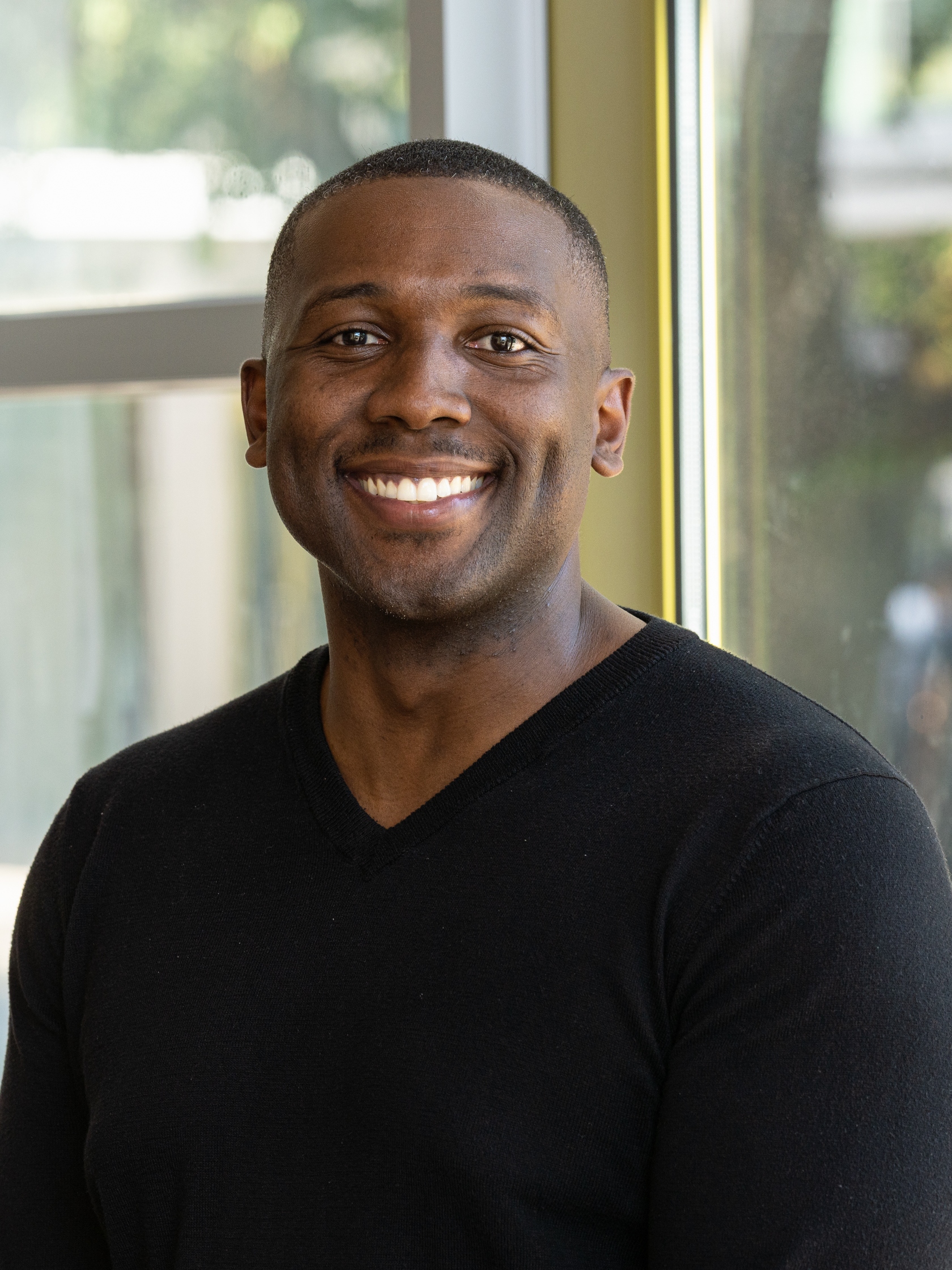
Charles E. Wilkes II
Connect with Charles
About Charles
Dr. Wilkes’s research focuses on K–16 mathematics education, teacher education, and equitable instructional practices. Overarching themes in Wilkes’s writings include mathematical identity, constructions of smartness, and how teacher beliefs and practices shape student participation and learning. His work centers on Black learners’ experiences and examines how competence is acknowledged in classrooms. Wilkes serves as a researcher, facilitator of professional learning, and collaborator with K–12 and higher education partners. He supports teacher development and instructional improvement initiatives that advance equity in mathematics education.
Contributions
In the News
Publications
Argues that teacher training programs should focus more on real-world practice and explicitly prepare educators to promote fairness and justice in their classrooms.
Argues that math education can become more just and inclusive by centering students’ rights and imagining new, more equitable futures inspired by Afrofuturism.
Shows that when teachers recognize and affirm students’ abilities, it can strengthen students’ sense of belonging and engagement in math classrooms.
Shows how teachers can challenge harmful stereotypes about Black girls in math by both improving instruction and building strong, supportive relationships with students.
Explores what it takes to create learning environments in STEM where Black students can thrive, emphasizing the importance of supportive spaces and intentional teaching practices.
Examines how Black students are treated and perceived in math classrooms and argues that overlapping factors like race and identity help explain why inequities persist.