
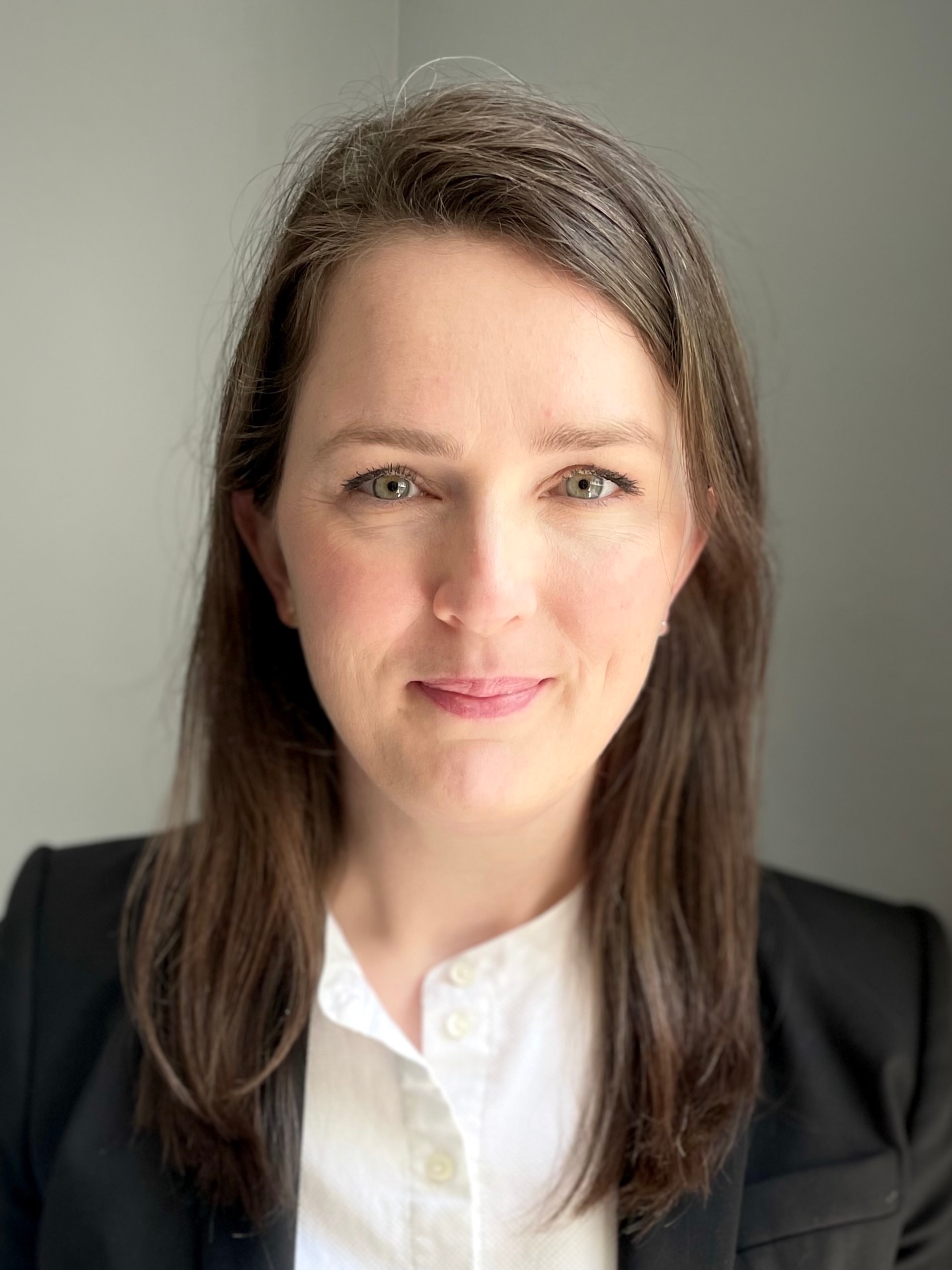
Claire Dunning
Connect with Claire
About Claire
Dunning’s research focuses on the political and urban history of the United States in the twentieth century, focusing on efforts by nonprofit and philanthropic organizations to address racial and economic inequality. Overarching themes include the role of private entities in democracy, social policy, and the state; grantmaking by government and foundations; and the role of community organizations in urban governance. She published Nonprofit Neighborhoods: An Urban History of Inequality and the American State (UChicago Press, 2022). Dunning has advised foundations on their grantmaking and communications and consulted on a report on reparations in philanthropy.
Contributions
Regulation for Federal Financial Assistance
In the News
Publications
Examines how philanthropic funding has shifted over time and finds that even when donors claim to give freely, they often still shape how organizations—especially those led by Black communities—operate.
Shows how nonprofits became deeply embedded in urban neighborhoods and argues that, while they often aim to help, they can also reinforce inequality by taking on roles that might otherwise be filled by government.
Argues that nonprofits function as essential parts of city systems—like infrastructure—by providing services and support that many communities rely on every day.
Explores how jobs in human services became a key source of employment for low-income people in cities, while also highlighting the limits of these jobs in reducing poverty.