
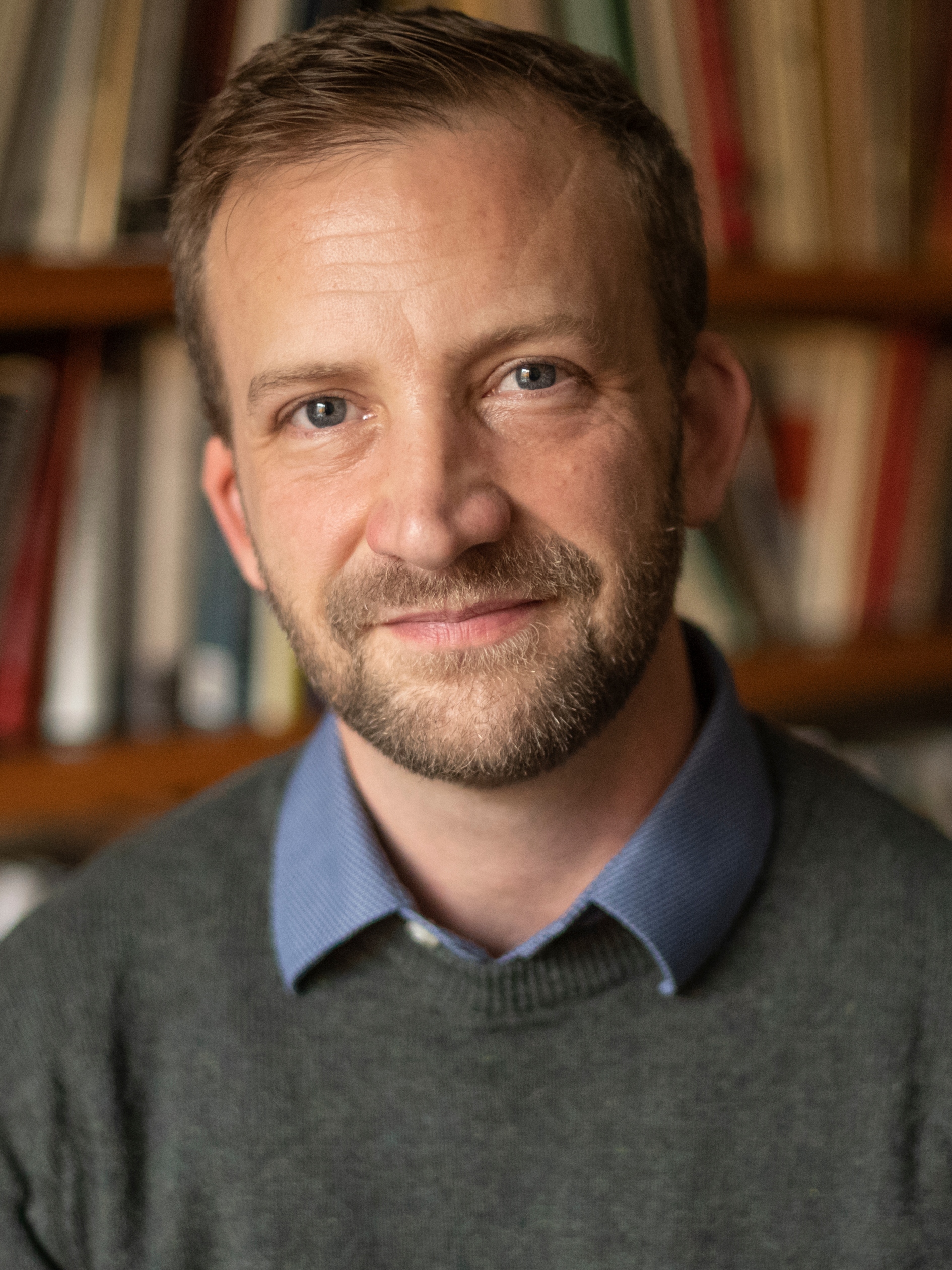
Daniel Laurison
Connect with Daniel
About Daniel
Laurison’s research focuses on class and social mobility, and class and racial inequality in US politics. His current project is an examination of the ways poor and working-class people, in all racial-ethnic groups, engage with and disengage from electoral politics. He is the author of Producing Politics: Inside the Exclusive Campaign World Where the Privileged Few Shape Politics for All of Us (Beacon Press 2022) and The Class Ceiling: Why it Pays to Be Privileged (Polity Press 2019, with Sam Friedman). Laurison serves as the Director of the Healthy, Equitable and Responsive Democracy (HEARD) Initiative and the Politics and Equal Participation Lab (PEPL) at Swarthmore College.
Contributions
In the News
Publications
Using actual election return data, shows that higher-income precincts have much higher voter turnout than lower-income precincts, and the turnout gap between high- and low-income places was larger in 2020 than in 2016, despite higher overall turnout.
Looks at whether people in the U.S. who grow up in working-class families but later get high-status professional or managerial jobs still face disadvantages compared to peers from more privileged backgrounds. Finds that even when they reach these top jobs, those from working-class origins earn significantly less—about $20,000 per year on average—with much of that gap remaining even after accounting for education, race, and other factors.
Looks at how voter turnout differed by income level in recent U.S. elections using validated voting data rather than self-reports, and shows that gaps in turnout between richer and poorer groups stayed large or even grew in 2020 compared with earlier years, highlighting persistent inequality in who participates in elections.
Examines how modern American political campaigns are shaped not by voters but by a small, elite class of campaign professionals whose shared backgrounds and assumptions influence strategy and messaging in ways that can alienate the broader electorate. Using more than 70 off-the-record interviews, finds that this insular group’s conventional practices and biases help produce a confusing and polarizing political environment that undermines engagement and skews how democracy functions in the United States.
Uses data visualizations to show how people’s social class in adulthood is linked to the class they were born into for Black and white adults in the U.S., and it finds that Black Americans are both more likely to start in lower-status jobs and less likely to move into higher-status classes than white Americans, revealing clear racial inequality in class mobility.
Argues that in Britain’s most elite professions, where there is a belief that success should come from hard work and talent, people from working-class backgrounds still earn significantly less and face invisible barriers compared with those from privileged families. Shows that this “class ceiling” persists even after accounting for education and experience, because cultural norms, networks, and unspoken expectations help privileged workers get ahead and keep others from fully benefiting from their merit.
Examines research showing that people with lower income, less education, or in non-professional jobs participate less in politics — voting less, following politics less closely, donating less, and contacting officials less often — and are also less likely to feel they can influence political decisions. Explains that these differences aren’t just about individual barriers, but also about broader social relationships and structures that make political engagement harder for those with fewer resources.