
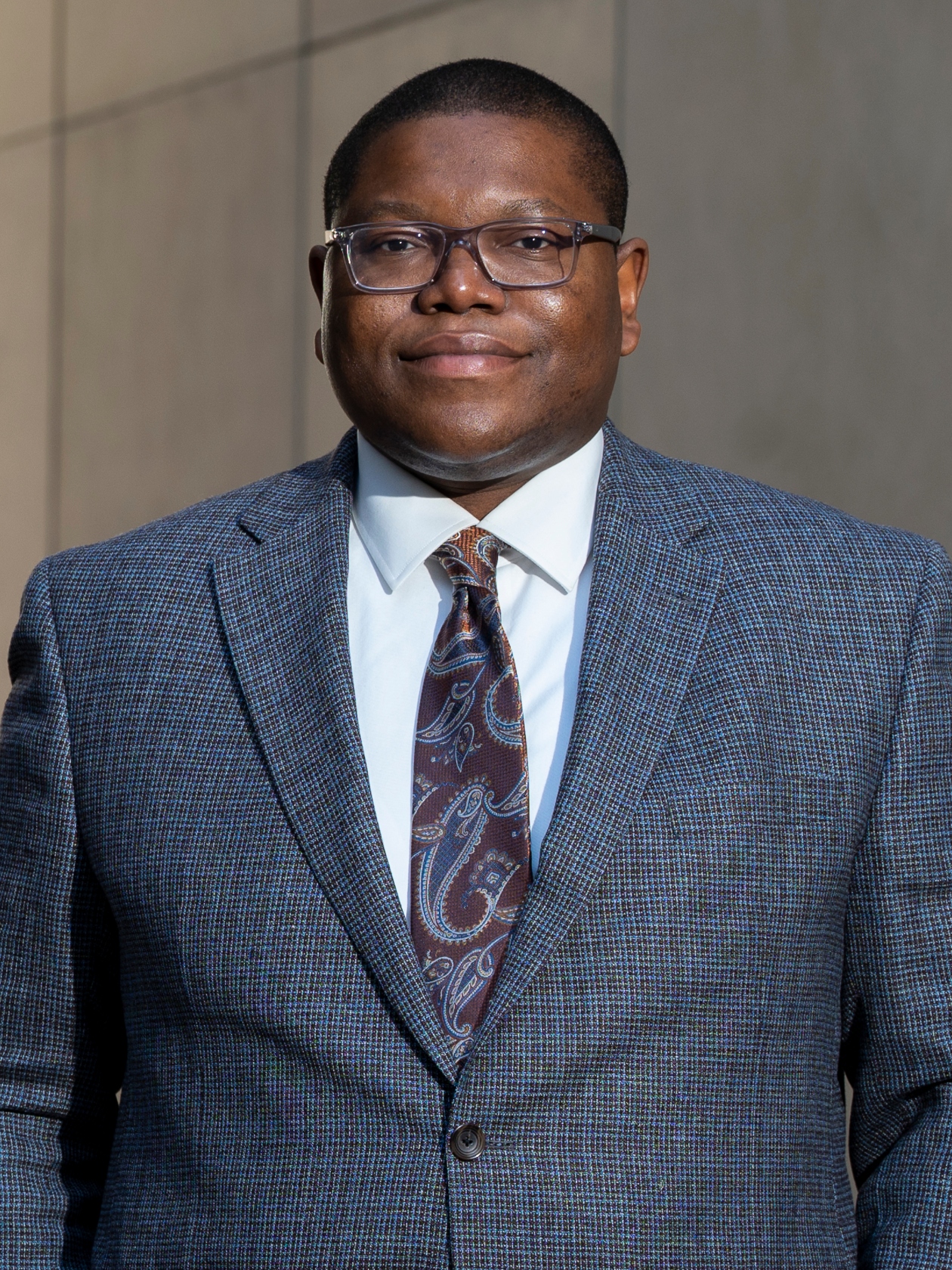
Darris R. Means
About Darris
Means' research focuses on how the intersection of race, place, and class shape educational access and opportunity. Overarching themes in Means' writings include (a) the use of visual, participatory, and critical methods and methodologies; (b) postsecondary education access and opportunity for rural students, Black students, first-generation college students, and students from low-income families; and (c) STEM and medicine educational and career pathways for rural students and Black students. Means is the President-Elect for the National Rural Education Association.
Contributions
In the News
Publications
Looks at how kids in rural areas learn science and tech skills and what’s getting in the way. Finds that rural schools often don’t have enough resources, classes, or internet access, which limits opportunities—but using local community strengths and better funding and partnerships could improve outcome
Argues that literature (or a specific text/author it analyzes) works as a way of remembering and reshaping personal or collective experiences, showing how storytelling helps people make sense of difficult histories. Finds that these narratives don’t just reflect reality—they actively influence how people understand identity, memory, and truth in the present.
Argues that colleges often overlook rural students of color by assuming rural communities are mostly white, and it aims to correct that by highlighting their experiences and needs. Finds that these students face unique challenges shaped by both race and geography, and it offers practical ways schools can better support their access to and success in higher education.
Argues that while states often talk about helping rural college students succeed, their policies don’t always lead to real change. Finds that meaningful improvement depends on whether policies actually address rural students’ specific challenges—like limited resources and access—rather than just using supportive language.
Examines how a particular literary or cultural text deals with themes of identity, power, and representation, arguing that it challenges dominant ways of understanding these issues. Finds that the work doesn’t just reflect social realities but actively reshapes how readers think about them, especially by highlighting overlooked perspectives or tensions.