
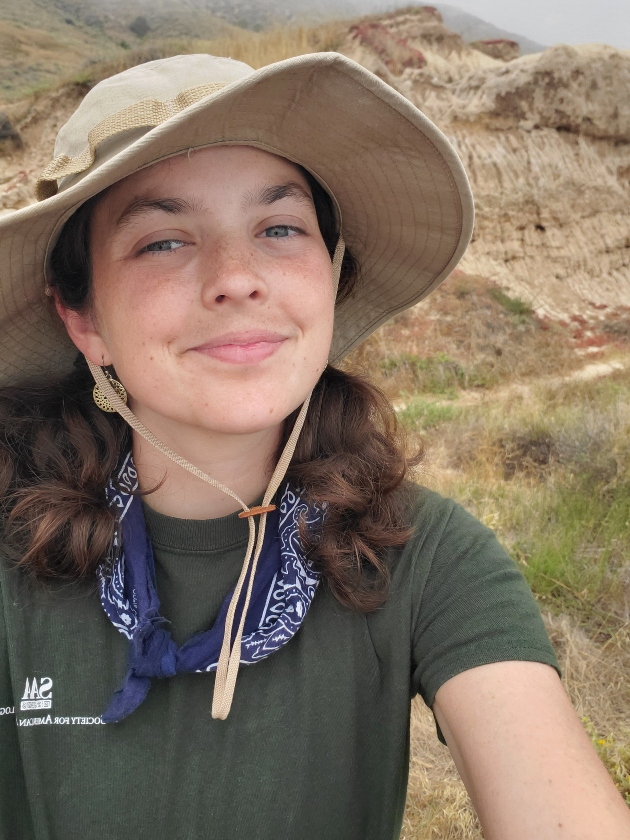
Emily Catherine Kracht
Connect with Emily
About Emily
Kracht's research focuses on pre-Colonial Caribbean archaeology, with a focus on understanding exchange and social organization in the past by utilizing applied chemistry techniques. Overarching themes in Kracht's writings include cultural heritage, the ancient past, science education and outreach, and scientific accessibility. Kracht serves on several internal institutional graduate committees focused on developing undergraduate research and supporting graduate students across the UC-system. She has a strong commitment to public outreach and developing educational materials for local communities surrounding archaeology, science, and cultural heritage.
Contributions
In the News
Publications
Uses mineralogical, elemental, and functional analysis of clay materials and archaeological pottery from across the Lucayan Islands to reconstruct the recipe of Palmetto Ware, highlighting the Lucayans’ strategic use of raw materials in a limited resource environment.
Uses a newly introduced calibration set for portable X-ray fluorescence (pXRF) to analyze more than 300 ceramic sherds from the Yale Peabody Museum that had been recovered from 12 sites across Puerto Rico. Results indicate intense levels of exchange and mobility between communities on the island for hundreds of years.
Employs three separate field and laboratory trials to observe systematic mismatches in the results obtained via a field-ready digital color-matching instrument which is marketed to archaeologists as a replacement for Munsell Soil Color Charts (MSCC). Discusses how project goals and limitations should be considered when deciding which color-recording method to employ in field and laboratory settings and identifies optimal procedures.