
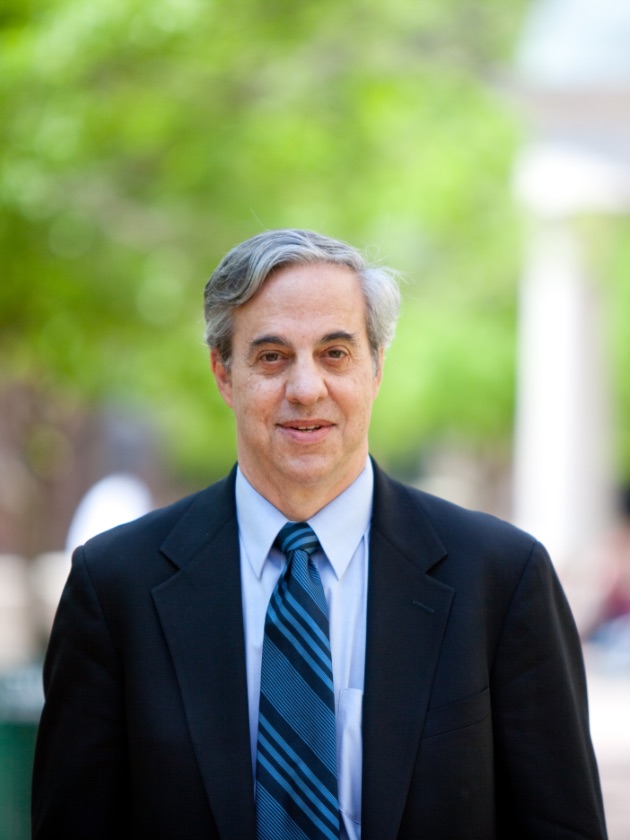
Gregory D. Squires
Connect with Gregory
About Gregory
Squires' research focuses on racial inequality; uneven metropolitan development; and community organizing; Overarching themes in Squires' writings include equitable development; advocacy; and the right to the city. Squires serves on the Advisory Board of the Poverty & Race Research Action Council; the Fair Housing Task Force of the Leadership Conference on Civil and Human Rights; and the Board of Directors of Shelterforce.
Contributions
In the News
Publications
Examines the urgent need to embed environmental justice within the broader fight for racial equity. Argues that adopting stricter environmental regulations, modeled after West Coast initiatives, could revitalize neighborhoods that have been disproportionately impacted by environmental degradation.
Identifies barriers to collaborative social justice research between sociologists and community partners. Recommends building trust, strengthening institutional support, and reforming university incentives to encourage meaningful discourse.
Analyzes thirteen years of bank lending data in Pittsburgh to expose persistent racial disparities. Reveals that unequal access to private capital remains a major obstacle to wealth-building and community development in Black neighborhoods.
Examines Harold Washington’s political career as a transformative force in Chicago city government to push reform and uplift disenfranchised voices. Showcases how his leadership, built on transparency and equitability, painted a path for multiracial coalitions and progressive urban governance.
Highlights how racial segregation contributes to the link between mortgage possessions and obesity rates. Mentions that metropolitan educational levels, not poverty levels, are predictive of foreclosure. Discusses that healthcare and mortgage counseling organizational partnerships should be considered.
Argues that collaborative, community-engaged scholarship (CCES) must meet high standards of rigor if it is to be useful to support equity-oriented, social justice agendas. Discusses the importance or relationship building and trust in addressing the tensions that can arise between the demands of knowledge production and action-oriented social change.
Investigates how the Consumer Financial Protection Bureau emerged to combat abusive financial practices. Documents attempts by the Bureau to achieve meaningful reforms, but warns of continued structural, political, and industry resistance that threaten the viability of sustained consumer protection efforts.
Explores the origins, impact, and ongoing challenges of the Fair Housing Act of 1968 in addressing housing discrimination and segregation. Highlights both the progress achieved and enduring barriers to fair housing through the perspectives of leading activists and scholars.
Explores the challenges created by global economic restructuring, the decline of inner city neighborhoods, and the heightened racial conflicts in the US.