
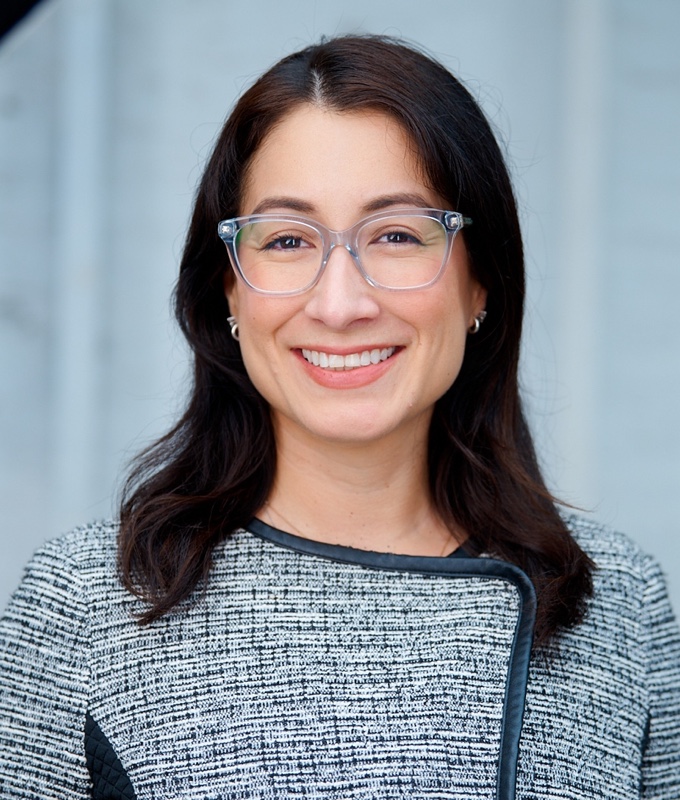
Jennifer E. Cossyleon
Connect with Jennifer
About Jennifer
Cossyleon's research focuses on community, labor, and the transformative effects of local social movements through community-engaged and policy-informing methods. Overarching themes in Cossyleon's writings include how mothers of color and returning citizens contest marginalization through collective action, how housing and criminal justice policies contour the lives of the most oppressed groups, and how kinship is embedded and constructed through mobilization. Recent research is related to the intergenerational effects of community organizing, the economic impacts of immigration enforcement on the economy, and the experiences of dairy workers in Central Valley, CA amid a bird flu outbreak.
Contributions
U.S. Citizenship and Immigration Fee Schedule Rule Change
In the News
Publications
Analyzes Current Population Survey data before and following escalations in federal immigration enforcement actions in California and Washington, D.C. The effect of escalated immigration enforcement actions on work is comparable with the Great Recession and the onset of the COVID-19 pandemic. Ongoing escalated immigration enforcement actions suggest the need for policy interventions to mitigate negative economic consequences.
Provides a snapshot of the unmet needs of south Central Valley workers and families on the frontlines of an economic and environmental crisis, as well as their desire to participate in civic action.
Uses neighborhood and convenience sampling methods to interview dairy workers employed in nine cities within Kings, Fresno, Tulare, and Merced counties. Interviews with workers underscored the nature of non-compliant sanitary practices, the prioritization of production over worker health, and how the lack of an economic safety net shapes workers’ responses to health and safety practices.
Looks at how dairy workers actually experience bird flu risk on the job, focusing on their day-to-day working conditions and the gaps in safety protections. Finds that current prevention efforts often overlook workers’ realities—like limited training, inconsistent access to protective gear, and fear of speaking up—and argues that solutions need to be designed around workers’ needs and voices to be effective.
Looks at how recent increases in federal immigration enforcement affected jobs in places like California and Washington, D.C., by tracking changes in employment over time. Finds that when enforcement ramps up, fewer people—especially noncitizens—report working, leading to noticeable drops in private-sector employment and broader negative effects on local economies.
Provides a snapshot of the unmet needs of South Central Valley workers and families on the frontlines of an economic and environmental crisis, as well as their desire to participate in civic action.
lluminates how collective action shapes the kinship relationships of women of color leading a local restorative justice movement in Chicago Uses forty-seven in-depth interviews with community organizers and fifteen months of participant observations of local collective action as evidence, I highlight the intersecting processes of collective action and family life. Findings elucidate how leaders in the study, most of whom were African American and Latina mothers and grandmothers, coproduced com-munity organizing and family life.
Studies how such discrimination operates, and the intermediaries who engage in it: landlords. Discusses how a fundamental assumption of racial discrimination research is that gatekeepers such as landlords are confronted with a racially heterogeneous applicant pool.
Documents how researchers and members of a nonprofit community organizing institution collaborated on a survey to understand debt, including the types, the amount, and the social consequences of debt, for economically marginalized communities of color in Chicago. Begins with the goal of impacting state and city-level policy, this Participatory Action Research built on the strengths of community members and researchers to develop research questions and survey instruments, formulate an implementation plan, and summarize results.
Notes much philanthropic and academic interests focuses on the quantifiable outcomes and impacts of collective action. Turns inward to the experiences of local social movement participants, Black and immigrant Latina mothers in Chicago. Illuminates how marginalized mothers of color contest the individualization of social problems through grassroots community organizing, gaining collective purpose and voice through the process and how we must rethink our narrow measures of movement "success."
Examines African American and Latina low-income mothers involved in local family-focused community organizing, called "motherleaders." Finds their engagement transformed their everyday lives, perceptions, and relationships. Finds motherleaders' personal narratives highlight how their experiences and understandings of community organizing are inseparable from their intersecting identities and how this type of civic engagement has the propensity to alter the lives of marginalized groups far beyond the publicly stated goals of organizations.