
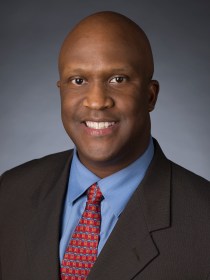
Kendall Dwayne Deas
Connect with Kendall
About Kendall
Deas's research focuses on seeking best practice models to improve public education in the U.S. Overarching themes in Deas's research include educational equity, school choice, school funding, culturally relevant teaching pedagogies, and race and diversity. Deas is a faculty affiliate of the Institute for Rural Education and Development and the Center for Civil Rights History and Research at the University of South Carolina. Deas serves on the faculty advisory board for the Center for American Civic Leadership and Public Discourse at the University of South Carolina. Deas is the Editor-In-Chief for the Journal of Educational Foundations and Director of the Quality Education Project.
Contributions
In the News
Publications
Highlights the success of the Children’s Defense Fund (CDF) Freedom Schools program in reducing summer learning loss and calls for clear state-level policies to expand the program in public schools nationwide.
Explores the evolution of U.S. curriculum policy since World War II through the lens of curriculum theory. Findings show that shifts in curriculum policy were driven by sociopolitical, socioeconomic, and historical factors, with educators aiming to create curricula that better integrated students into society.
Examines the potential of directing school funding toward minority student populations as a way to reduce educational achievement gaps between Black and White students. Reviews existing literature showing a lack of such policies and finds a link between funding and outcomes in underfunded districts.
Reviews state science and technology-based economic development policies, highlighting the key role of higher education institutions, especially through initiatives like EPSCOR.
Examines the Common Core State Standards Initiative and provides a policy analysis of issues concerning its implementation as a policy initiative to achieve education reform in the U.S.