
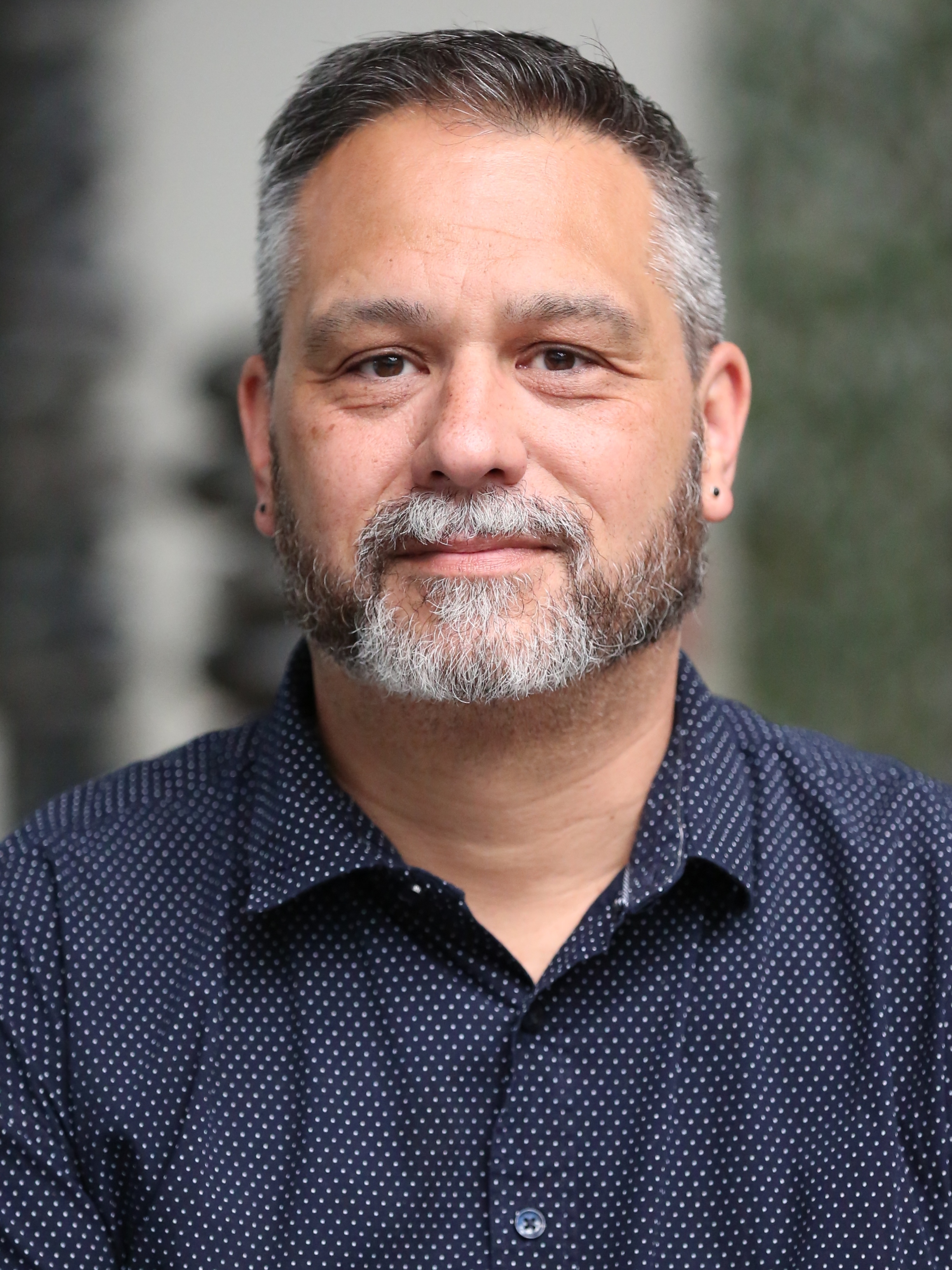
Kerri J. Malloy
Connect with Kerri
About Kerri
Malloy's research focuses on Indigenous genocide, transitional justice, federal Indian law, and California Indian history. Overarching themes in Malloy's writings include settler colonial violence, Indigenous memory, healing, reconciliation, and Native sovereignty. Malloy has served on the Advisory Board of the International Association of Genocide Scholars and chaired its Indigenous Peoples Caucus. He also works with tribal communities and educational organizations on issues of tribal governance, Native rights, and public scholarship. His current projects examine subaltern diplomacy of Native nations in Canada, U.S. and Mexico, and Native student experiences in higher education.
Contributions
The Protection That Tribal Nations’ Data Needs
AI Policy Must Respect Indigenous Data Sovereignty
Making Tribal Consultation Meaningful Through Accountability
In the News
Publications
Argues that early California had many of the warning signs that typically lead to genocide, and shows how these conditions developed during its early statehood. Finds that a mix of political decisions, social attitudes, and economic pressures helped create an environment where large-scale violence against Indigenous people became likely and was ultimately carried out.
Explores how place names can erase Indigenous histories and how renaming efforts work to restore them. Shows that naming is a powerful tool in shaping public memory and identity.
Discusses how Indigenous perspectives challenge and resist the harms of settler colonialism. Focuses on renewal and rebuilding as responses to ongoing destruction.
Looks at how Indigenous communities reclaim and define spaces as part of broader memory and justice efforts. Highlights how space itself can be a form of activism.
Examines how histories of violence against Indigenous people in California have been written in ways that downplay or erase responsibility. Shows how these narratives help sustain a sense of innocence around settler colonialism.