
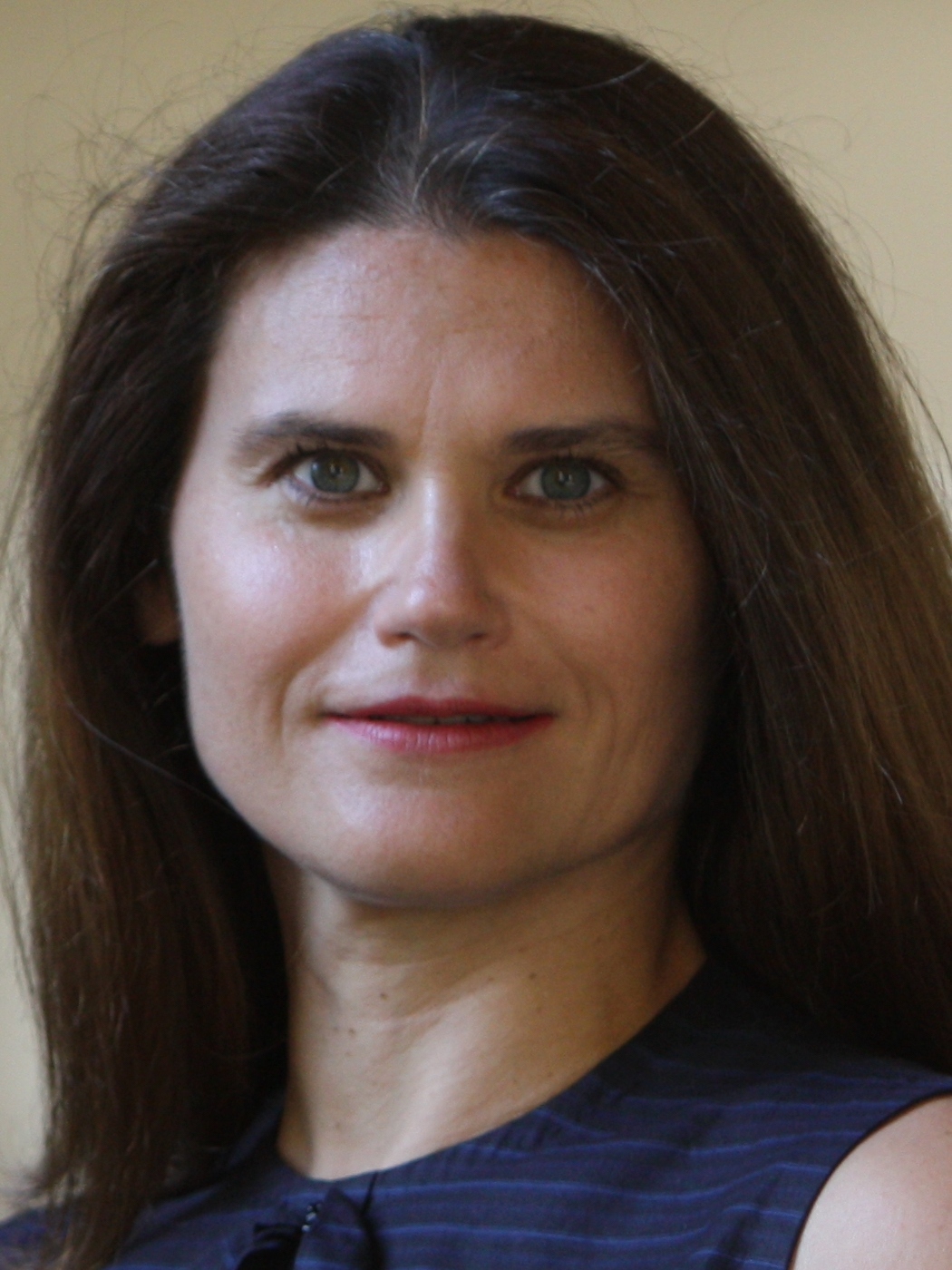
Nina Bandelj
Connect with Nina
About Nina
Bandelj is an economic sociologists who studies money and how culture, emotions and power influence the economy. She examines how relational work, emotional embeddedness and social meaning impact economic interactions as well as the inequality consequences of large-scale economic transformations, including postsocialism, globalization and financialization. Bandelj is President of the Sociological Research Association and Past President of the Society for the Advancement of Socio-Economics. She was Vice-President of the American Sociological Association, longtime and first woman editor of Socio-Economic Review and the inaugural associate vice provost for faculty development at UC Irvine.
Contributions
In the News
Publications
Explores how modern parenting has become emotionally and financially intense, with parents feeling pressure to invest heavily in their children. Shows how these expectations are shaped by broader economic and social forces.
Explains how emotions shape economic life today, from financial decisions to everyday spending. Argues that feelings are central—not separate—to how modern economies work.
Looks at how children learn about money through family and social experiences. Shows that money is not just practical, but also tied to values, relationships, and meaning.
Examines how parents think about spending on their children as an “investment” in their future. Shows how economic thinking shapes parenting decisions, even in deeply personal areas of life.
Brings together research showing that money is shaped by social relationships, not just markets. Explains how people use and understand money differently depending on context.