
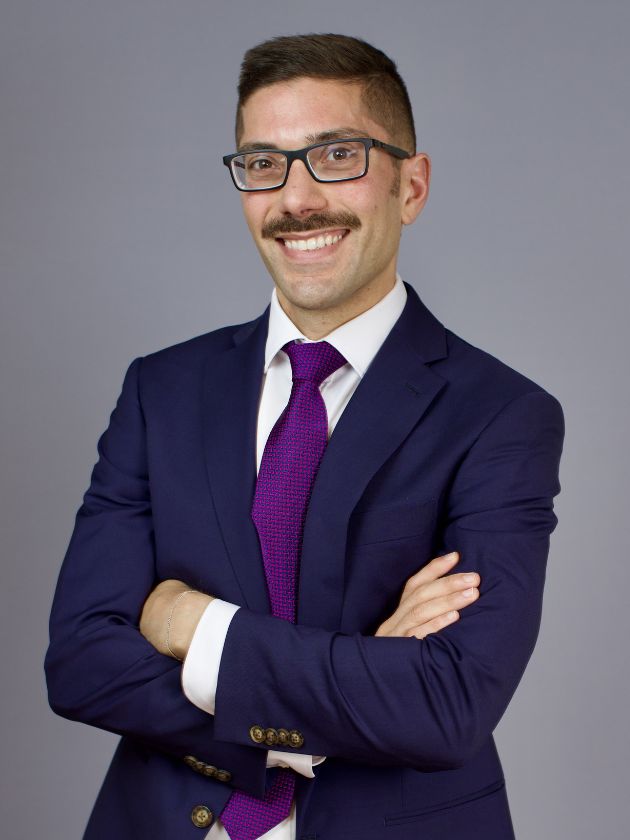
Pasquale Rummo
Connect with Pasquale
About Pasquale
Dr. Rummo’s research focuses on examining the impact of food policies and interventions on nutrition-related health outcomes, including evaluating the role of healthy eating strategies in promoting healthy diet practices. His research portfolio speaks to an interest in testing and advocating for sustainable policies that support healthy food systems and healthy communities.
Contributions
No Jargon Podcast
In the News
Publications
Explores how emergencies like COVID-19 disrupt access to food, especially for low-income and older adults, and whether expanding online grocery shopping and delivery can help close those gaps. Finds that strengthening these services—along with policy changes like expanding SNAP online purchasing and subsidizing delivery—can improve equitable food access and better support vulnerable populations during crises.
Explores what amount and what type of delivery of incentives are most effective in creating sustainable changes in physical activity. Finds that a constant financial incentive was the most effective in increasing physical activity levels, although effects disappeared by the end of the follow-up period. However, financial incentives, regardless of how they are delivered, may not be an adequate approach to motivating sustained behavior change.