
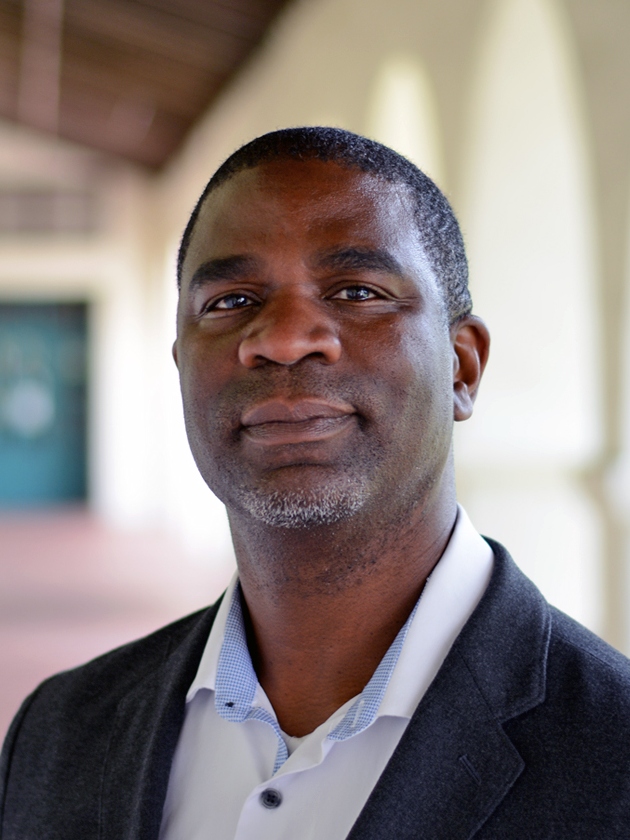
Roddrick Colvin
Connect with Roddrick
About Roddrick
Colvin's research focuses on public administration, policing, human resource management, workplace equity, and LGBTQ+ inclusion in public institutions. Overarching themes in Colvin's writings include representative bureaucracy, organizational change, social equity, and evidence-based governance. Colvin has served on the San Diego Metropolitan Transit System Security and Passenger Safety Community Advisory Group. He also supports initiatives that strengthen public service education, including the Institute for Innovative Governance and the Academy for Local Elected Officials at San Diego State University.
Contributions
Modification of Certain Terminology in Title 21
In the News
Publications
Examines the role and impact of LGBTQ+ liaison officers within police departments in the United States. Highlights the ‘visibility paradox,’ where officers’ roles enhance public awareness but also expose them to professional and social backlash.
Explores the experiences and perspectives of LGBTQ+ individuals in policing, including the challenges and opportunities they encounter within the profession. Highlights how greater inclusion and support for LGBTQ+ officers can strengthen police organizations while improving relationships with the communities they serve.
Explores school resource officers (SROs) and their role in preventing, detecting and intervening in bullying incidents. Finds that SROs who can identify instances of bullying are more likely to intervene to stop it.
Investigates how the U.S. criminal justice system handles well to less extreme sexually inappropriate behaviors. Calls for a new approach to providing justice for survivors/victims: a model involving a public forum for survivors/victims to testify to the events of their victimization and for offenders to admit previous wrongdoing, take responsibility, and ask forgiveness.
Assesses the impact of lesbian and gay police officers on law enforcement in the U.S. and the UK, as well as the policies that enable a diverse work environment. Offers a compelling demonstration that police agencies can best fulfill their missions when they are representative of the communities they serve.