
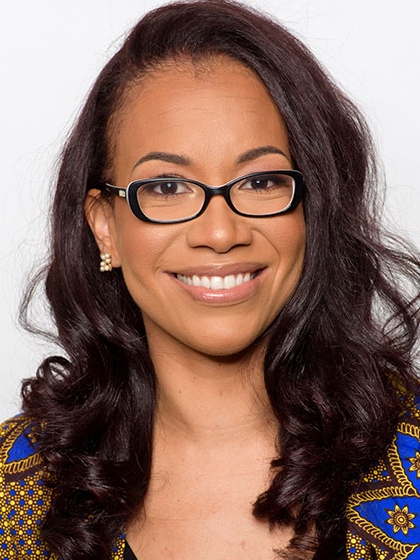
Saran Stewart
Connect with Saran
About Saran
Dr. Stewart's research explores comparative and international education, decolonizing methodologies, inclusive pedagogy, and equity in higher education. Formerly a Senior Lecturer and Deputy Dean at the University of the West Indies, Dr. Stewart has over 50 publications, including Decolonizing Qualitative Methodologies for and by the Caribbean and Black Liberation in Higher Education: Considerations for Research and Practice.
Contributions
Publications
Introduces “BREATHE” as a teaching approach that centers care, reflection, and justice in the classroom. Argues that faculty can better support students—especially those from marginalized backgrounds—by rethinking what counts as knowledge and creating more humanizing learning environments.
Examines the experiences of Black women academics working across the UK and Caribbean. Shows how race, gender, and colonial histories shape their careers—and highlights the strategies they use to navigate and challenge these systems.
Examines laws restricting the teaching of race and racism, arguing they erase important histories and perspectives. Shows how these policies reinforce inequality by limiting what can be taught and discussed in universities.
Argues that higher education institutions still rely on power structures rooted in racism, even when they appear modern or progressive. Shows how these patterns continue to shape policies, leadership, and campus experiences.
Introduces research approaches rooted in Caribbean culture and ways of knowing. Shows how these methods challenge traditional academic norms and create more inclusive, community-centered research practices.
Brings together scholars from around the world to explore how teaching practices can better address race and inequity. Across chapters, shows that inclusive, critically engaged pedagogy improves learning and belonging for diverse student populations.
Explores how faculty at predominantly white institutions can redesign their classrooms to better support Black students. Finds that inclusive teaching strategies—like building trust, validating student experiences, and addressing bias—lead to more equitable outcomes.
Proposes a different approach to student assessment that reduces reliance on standardized tests. Finds that more holistic methods can expand college access and better support students from underrepresented backgrounds.