
5 Experts Available for Timely Analysis on the SAVE Act

On February 11, the SAVE America Act passed the House. The bill would require people registering to vote in federal elections to provide in-person documentary proof of U.S. citizenship, such as a passport or birth certificate. As the Senate prepares to vote on the SAVE Act, the following scholars are available to comment on what the proposed changes could mean for U.S. election administration and voters:
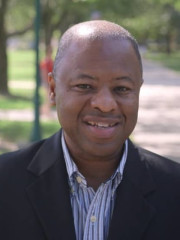
Anderson’s research focuses on American and African American political thought seeking to understand the tensions between individual liberty; collective good; and American political values. He is co-author of the book State Voting Laws in America: Historical Statutes and Their Modern Implications, which explores the history and evolving politics surrounding the right to vote in American politics.
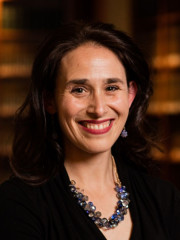
Cobb is a political scientist whose research focuses on U.S. elections, election administration, electoral politics, civic engagement, and political participation. Her work has focused on how voters are treated by election officials when they show up to vote.
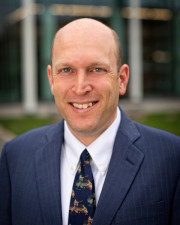
Douglas teaches and researches election law and voting rights, civil procedure, constitutional law, and judicial decision making. He is the author of Vote for US: How to Take Back our Elections and Change the Future of Voting, a popular press book that provides hope and inspiration for a positive path forward on voting rights.
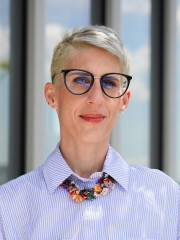
Merivaki's research agenda is situated within the growing field of Election Sciences, which includes the study of election reforms, electiona dministration, voter education, as well as election data transparency and accessibility. She is a member of The Carter Center's U.S. Elections Expert Study Team since September 2020.

Waisanen's research focuses on how public and leadership communication works to promote or hinder democracy. He is the co-author of States of Confusion: How Our Voter ID Laws Fail Democracy and What to Do About It.