
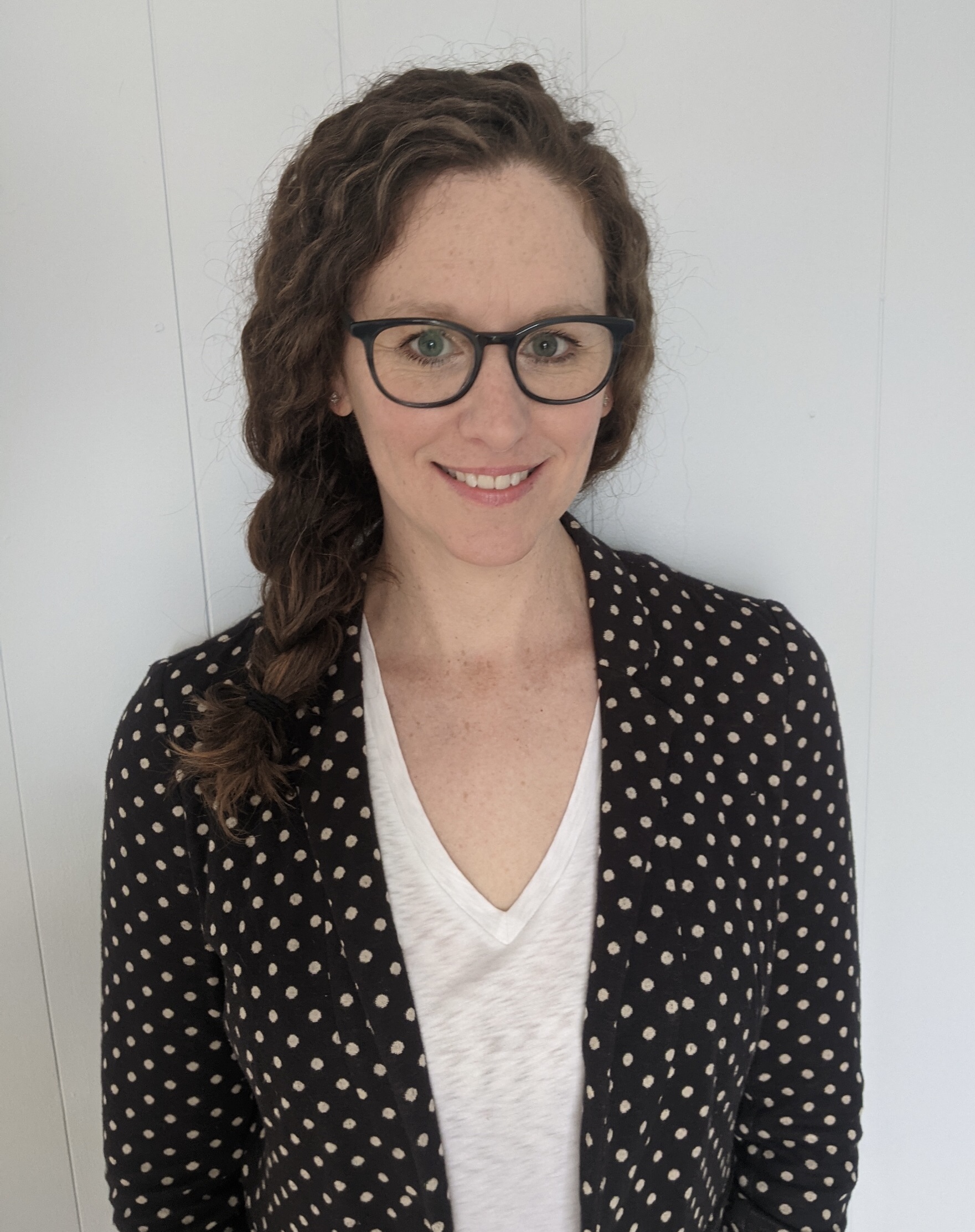
Karyn Sporer
Connect with Karyn
About Karyn
Dr. Sporer specializes in qualitative methods and life history interviewing, focusing on hidden and marginalized populations. Her research examines how families respond to violent extremism and the role of community partnerships in preventing targeted violence. Dr. Sporer’s work has informed the FBI, DHS, and other agencies on risk assessment and prevention strategies. She is a core member of the Maine Threat Assessment Group and actively contributes to policy discussions across government levels. Her research also emphasizes trauma-informed, public health approaches to prevention.
Contributions
In the News
Publications
Examines the grief experiences of parents raising children with serious mental illness and violent tendencies (SMI/VT). Frames our findings through the concept of ambiguous loss.
Examines how families adapt and respond to an aggressive child with mental illness. Suggests that families with a violent child with mental illness and other healthy children cannot live through episodes of violence without removing the child with mental illness from the home or suffering considerable damage to the family.
Examines how mothers perceive and experience barriers to effective help for their violent child with mental illness: (1) denial of mental illness and severity of violence by treatment providers, extended family, and non-family members; (2) limited access to quality treatment and supports; and (3) a recurring cycle from optimism to hopelessness. Draws comparisons between these mothers with survivors of domestic violence to inform policy and practice recommendations.
Examines strategies family members identify as being helpful when challenged by stressors related to living with an aggressive child or sibling with severe mental illness. Identifies three strategies that may prove beneficial for family members confronted and confused by mental illness.
Examines the narrative space of the Islamic State in Iraq and the Levant (ISIL). Offers insight into the messaging and organizational dynamics of ISIL, particularly themes related to violence, pragmatism, and ideology.
Examines how non-ideological factors such as childhood risk factors and adolescent conduct problems precede participation in violent extremism (VE). Suggests that pathways to VE are more complex than previously identified in the literature and that violent extremists are a heterogeneous population of offenders whose life histories resemble members of conventional street gangs and generic criminal offenders.