
5 Experts Available for Timely Analysis on DHS Funding and ICE

As Congress debates funding for the Department of Homeland Security, proposed changes could place new constraints on how Immigration and Customs Enforcement operates. For reporters covering what these policy changes could mean for immigration enforcement and for local and state partnerships, the following experts are available to comment:
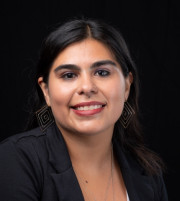
Arriaga's research interests are in the areas of race and ethnicity, immigration, and crimmigration (criminalization of immigration policy and procedure). Arriaga's research highlights how federal immigration enforcement programs are implemented through local law enforcement in the new immigrant destination of North Carolina.
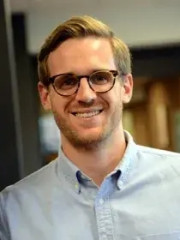
Boaz's scholarship is concerned with the intersection of criminal law and immigration law, critical theory, abolition, and issues related to immigration proceedings, including detention and universal representation. Prior to teaching, Boaz was a Senior Detention Attorney with the Immigrant Rights Project of the American Friends Service Committee in Newark, NJ, where he represented individuals held in immigration detention centers while in removal proceedings.
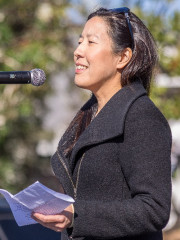
Kang's research focuses on immigration law enforcement in the United States with a particular focus on the nation's northern and southern borders. Kang's first book; The INS on the Line: Making Immigration Law on the US-Mexico Border; 1917-1954; offers a comprehensive legal history of the former Immigration and Naturalization Service and its enforcement operations.

Kubrin's research focuses on neighborhood correlates of crime; with an emphasis on race and violent crime. Recent work in this area examines the immigration-crime nexus across neighborhoods and cities; as well as assesses the impact of criminal justice reform on crime rates.
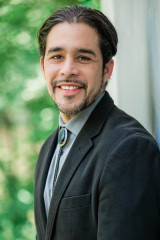
Lopez is a public health professor whose work considers the impacts of deportations on families and communities, especially in non-border states. His background includes policy analysis, police violence, and social movements.