
The No Jargon podcast brings research to life through clear, engaging conversations with leading scholars on today’s most pressing public policy issues—without the jargon. Designed to make complex ideas accessible, these short and timely episodes are an excellent resource for educators looking to enrich classroom discussions or add research-based insights to their syllabus. Explore topics from healthcare and climate change to the economy and politics, with episodes organized by theme and accompanied by a full transcript.
No Jargon Podcast Episodes for the Classroom
A Classroom Resource for Research-Based Insights
Climate Change
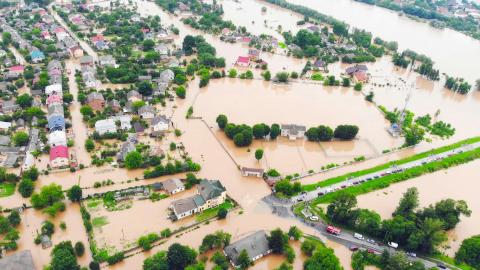
The Unequal Costs of Climate Change
Farhana Sultana explains how inequality and climate change deepen global disasters and calls for climate justice that tackles power, not just pollution.
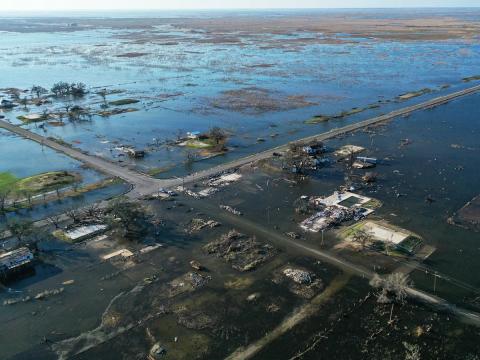
Disaster Management in the Era of Climate Change
Elizabeth Fussell shares lessons from Hurricane Katrina on how extreme weather impacts communities and how we can better respond.
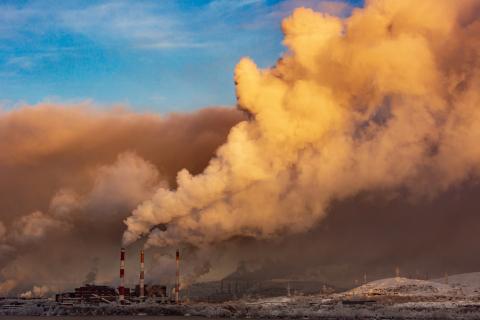
The Real Culprits of Climate Change
Matthew Huber argues that corporations, not consumers, drive most carbon emissions and outlines solutions for meaningful climate action.
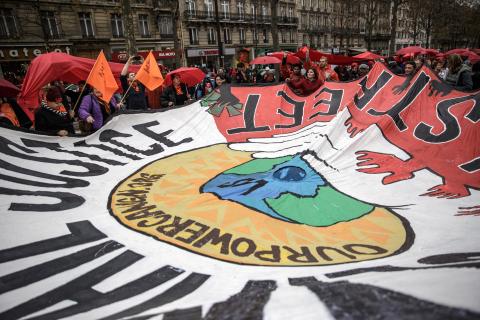
The Fight for Climate Justice
Fernando Tormos-Aponte discusses the climate movement’s focus on justice and how it’s unfolding in Puerto Rico after Hurricane Maria.
Criminal Justice
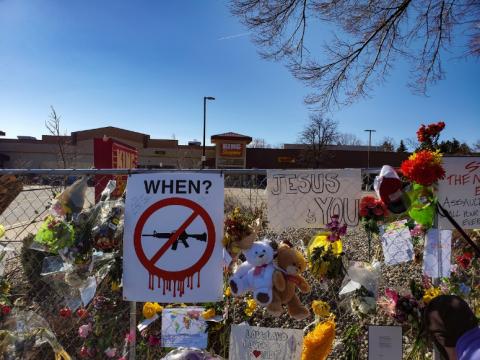
Is the Drop in Gun Violence at Risk?
Daniel Semenza explains that gun violence is down because of smart prevention efforts, but cuts to federal support could undo progress made in cities like Camden.
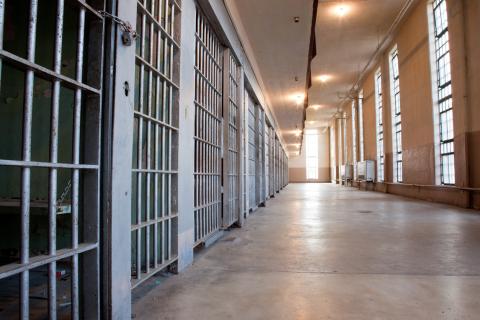
Fifty Years of Mass Incarceration
Nazgol Ghandnoosh explores how mass incarceration has left millions, mostly Black, under supervision and behind bars, calling for major reform.

Prison Cell or Recovery Center?
Rob Glover examines Mainers’ views on drug policy amid rising overdoses and arrests, revealing what reforms they support and what the findings mean for policy change.
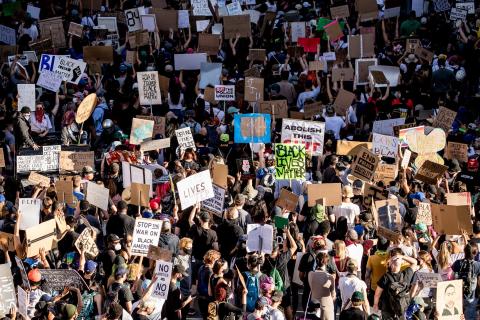
Black Lives Matter, Police, and America’s Democracy
Vesla Weaver explains how the George Floyd protests differ from past movements and what they reveal about policing, democracy, and calls to abolish the police.
Economy
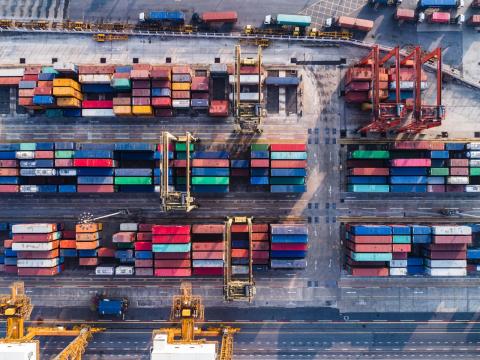
Tariffs, Trade Wars, and American Jobs
Erica Owen explores whether tariffs truly help workers, who wins and loses, and how policy can better support those affected.
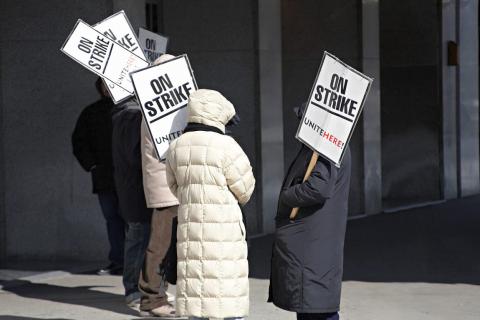
The Year of Strikes
Nathan Wilmers explains what 2023’s surge in labor strikes means for the future of workers’ rights and protections.

Consumer Protection Under Fire
Terri Friedline examines how rollbacks at consumer protection agencies leave vulnerable people at risk.

The Past and Future of Big Tech
Margaret O'Mara traces Silicon Valley’s roots to show its long ties to U.S. politics and what they reveal about today’s Big Tech clashes with government.
Education

Higher Ed on the Frontlines
Cecilia Orphan examines political attacks on higher education and urges regional and rural colleges to unite in defending their public mission.
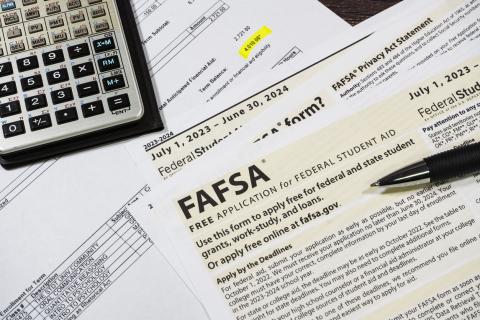
The New Reality of College Debt
Monnica Chan explores how rising tuition and shifting aid policies fuel student debt and what can make college more affordable.

America’s Student Attendance Problem
Sarah Lenhoff explains why chronic absenteeism persists, how the pandemic worsened it, and what schools are doing to improve attendance.

Segregation in our Schools
Erica Frankenberg explores the growing segregation in K–12 schools and how the Supreme Court’s admissions ruling may worsen it.

Invisible Barriers in STEM Education
Lara Perez-Felkner examines barriers limiting underrepresented students in STEM and how educators and families can help expand access.

Does AI Have a Role in Education?
Justin Ballenger explains what generative AI is, how schools are using it, and how it could transform teaching and learning.
Healthcare

The Past, Present, and Future of Reproductive Care
Lina-Maria Murillo traces how race and power have long shaped access to reproductive care and what history reveals about protecting those rights today.

How Taxes Can Save Lives
Jean Junior shows how tax policy affects health and argues that budget decisions should prioritize people’s well-being, especially children.

The Fight Over Medicaid
Nicole Huberfeld explains why Medicaid is vital and how proposed cuts and requirements could harm vulnerable people and deepen health disparities.

Exposing America’s Mental Health Care Inequities
Neil Gong explores how U.S. mental health history fuels today’s housing crisis and what policies could improve care.

Clearing Up Vaccine Confusion
Lindsey Haynes-Maslow discusses how vaccine hesitancy grew and how clear, community-based outreach can rebuild trust.
Immigration
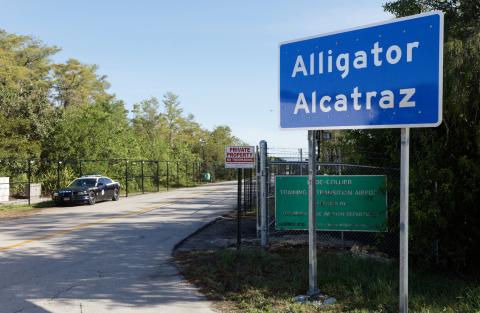
The Big Business of Immigration Detention
Nancy Hiemstra explains how immigration detention became a multi-billion-dollar industry and how its growth affects communities nationwide.
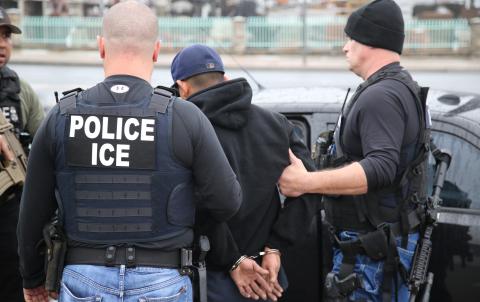
The Ripple Effects of Immigration Raids
William Lopez breaks down the emotional, health, and financial toll of deportation on entire communities.

No Box to Check
Neda Maghbouleh shows how Middle Eastern and North African Americans can feel invisible when their race is not included in government forms.
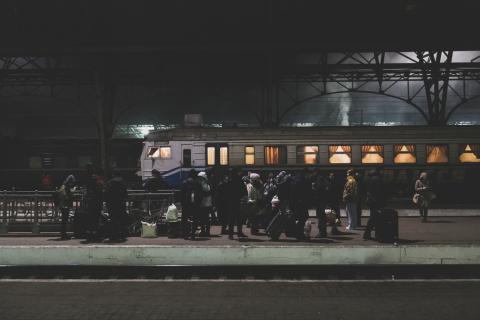
Supporting the Needs of Refugees
Anna Nicole Kreisberg discusses why prioritizing quick job placements is a flawed strategy when trying to help refugees.
Politics
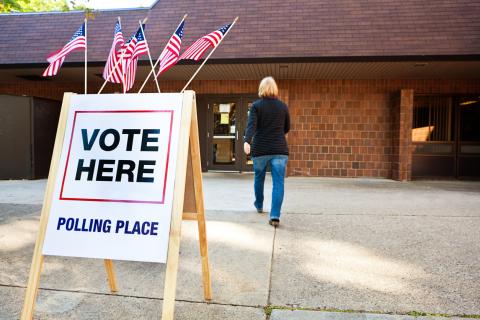
Why Local Elections Matter
Brian E. Adams breaks down why state and local elections matter, how voters make decisions with limited information, the growing partisanship in local politics, and initiatives aimed at reducing the influence of money.
How Maps Decide Elections
Michael Latner explains the difference between redistricting and gerrymandering, why unfair maps weaken voters’ voices, and what today’s gerrymandering fights mean for the future.
The Four Threats to Democracy
Suzanne Mettler shares lessons from events across U.S. history that feel eerily relevant today and explores the forces that threaten American democracy, and what everyday citizens can do to push back.
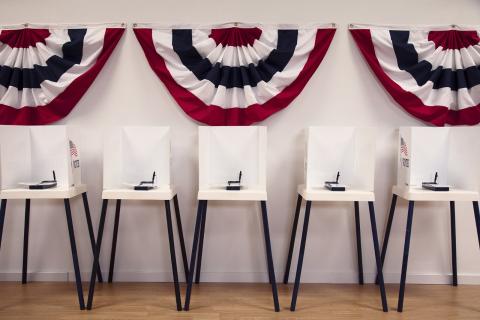
Dissecting the 2024 Presidential Election
Christina Greer reflects on the 2024 presidential election as an expert on American politics, Black ethnic politics, and campaigns and elections.
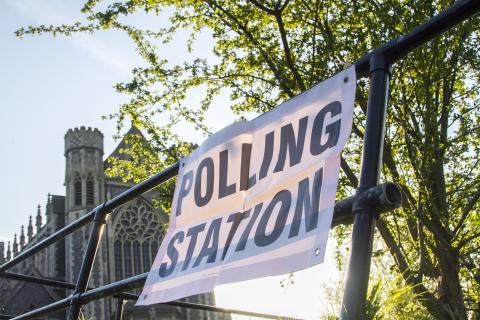
Threats, Opportunities, and the Future of U.S. Elections
Paul Gronke shares insights into the challenges of election security, the increasing harassment faced by officials on the front lines, and how the "Stop the Steal" movement has shaken public trust.
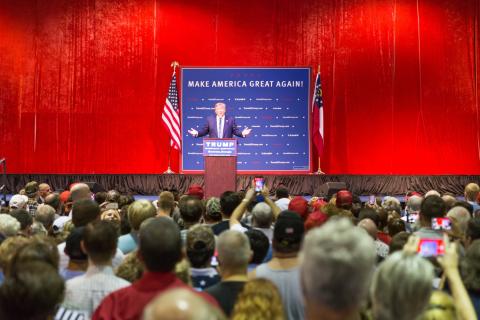
Risks of Trump’s Plans to Overhaul the Government
Donald Moynihan separates fact from fiction to explore what Trump’s campaign plans for his second administration could mean for the future of the country.
Trump, Nixon, and the Dismantling of Federal Agencies
Ryan LaRochelle draws on President Nixon’s attempt to shutter a federal agency to explain why presidents can’t slash federal programs on their own and how resistance can help keep agencies intact.
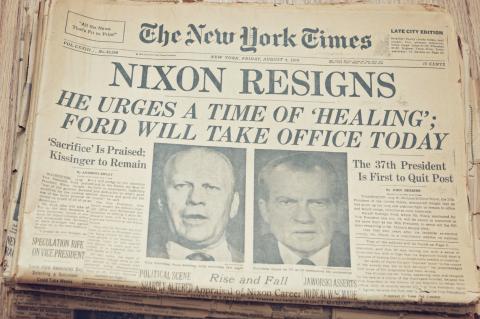
Bonus: One Man’s Stand During Watergate
Ryan LaRochelle highlights the story of William S. Cohen, a Republican congressman from Maine who chose truth over party loyalty to help hold President Nixon accountable.
Race & Ethnicity

The Evolving Role of Fatherhood
Alvin Thomas explores how Black fatherhood and masculinity are evolving and what support fathers need to thrive.
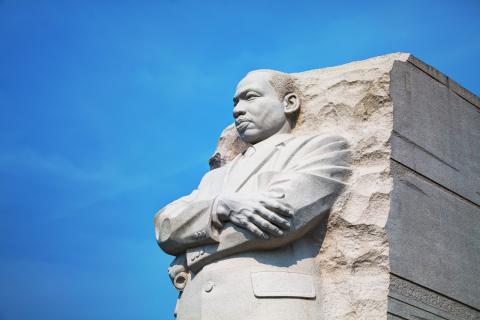
MLK's Contested Legacy
Hajar Yazdiha shares how Martin Luther King Jr.’s legacy has been reshaped by politics and movements and how it influences policy today.

In Search of a Home
Prentiss Dantzler explains how racial discrimination still shapes the housing market and argues that housing should be treated as a human right.

How White Millennials Really Think About Race
Candis Watts Smith examines how white millennials think about race and how their views have slowed progress toward racial equality in the U.S.
Social Policy
What's Happening With Social Security
Gopi Shah Goda discusses what the 2025 staffing cuts and administrative shakeups at the Social Security Administration mean.

When the Safety Net Shrinks
Taryn Morrissey breaks down the Republican-backed legislation that slashes Medicaid, SNAP, and other key supports that millions of families rely on.
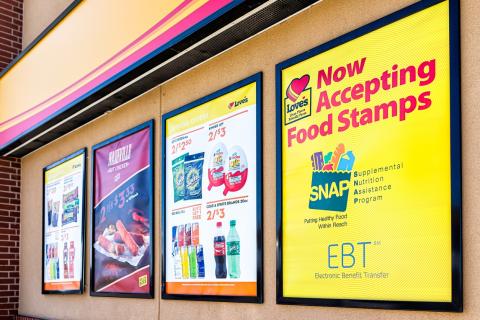
Falling Through the Social Safety Net
Chris Howard explores social safety net programs like Medicaid, food stamps, and unemployment insurance and proposed ways to mend the holes in the net.

Unhoused and Underserved
Megan B. Welsh Carroll explains what her team is doing to combat homelessness in San Diego and how their work can serve as a model in other parts of the country.